For researchers and avid bird watchers, determining the life history of a specific raptor involves piecing together fragmented data. The question of when was Jackie born is not merely a matter of trivia; it is fundamental to understanding the reproductive success and longevity of the Big Bear bald eagle population. While exact hatch dates for wild birds are often difficult to verify without initial banding records, analyzing the timeline of her residency and physical development offers significant insight into her age and legacy.
Verifying Age Through Plumage and Banding
For a detail-oriented researcher, establishing the birth year of a wild eagle typically requires two specific forms of evidence: federal band identification or a morphological analysis of plumage stages. Juvenile bald eagles undergo a distinct molt process, transitioning from mottled brown and white to the distinctive white head and tail over four to five years. By reviewing historical footage and observational logs, biologists can estimate age ranges based on these color patterns. However, without the recovery of a specific band number at the time of fledging, "when was Jackie born" remains an estimation rooted in her maturity level upon first arrival at the Big Bear territory.
The Significance of Longevity in the Wild
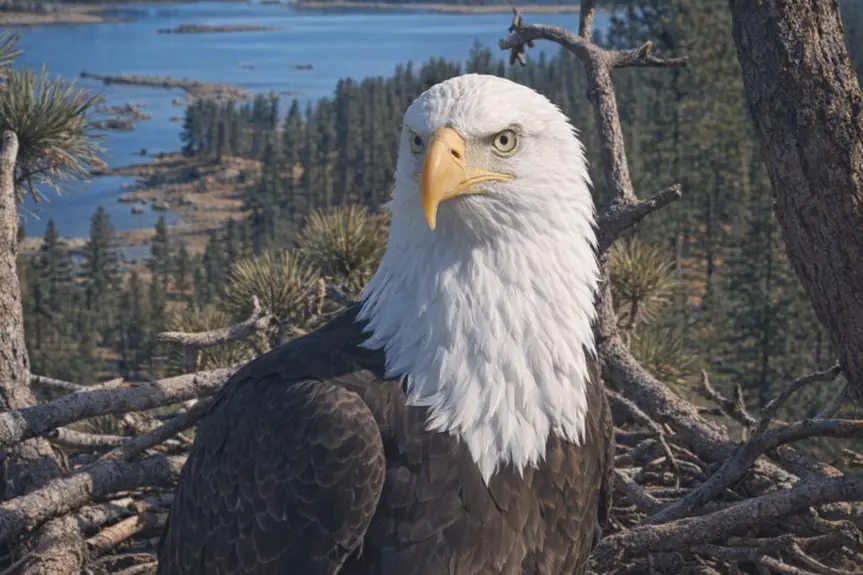
Documenting the lifespan of eagles like Jackie provides critical data points for ornithologists studying avian mortality rates. The fact that Jackie remained a dominant figure in the Big Bear ecosystem for multiple years indicates exceptional survival skills, navigating threats such as habitat loss, human interference, and environmental contaminants. Her extended tenure allows researchers to study the long-term pair bonding dynamics and nesting productivity that contribute to the species' recovery.
The Role of Rescue and Rehabilitation Records
Another avenue for establishing a timeline involves cross-referencing rescue databases. Eagles that have been rehabilitated often have medical records that include weight measurements and health assessments relative to age standards. These records can serve as useful context, helping to narrow down the window of hatch dates if a bird enters a care facility. However, researchers must exercise caution, as relying solely on size can be misleading due to sexual dimorphism and regional dietary variations.
Community Science and Historical Documentation

The public's role in documenting Jackie's life underscores the value of community science. Continuous observation by fans has created a chronological archive that researchers can mine for behavioral consistency. These detailed logs help verify the stages of her life cycle, from first pairing to nesting attempts. When official biological data is absent, this collective observation history becomes the primary source for validating the age and lifetime milestones of iconic wildlife.
Why Accurate Timelines Matter for Conservation
Ultimately, pinpointing the origin and birth timeline of a bald eagle aids in framing effective conservation strategies. Understanding that an eagle has lived a full, productive life in a specific territory confirms the viability of that habitat. For those analyzing the data from Jackie’s tenure, the focus shifts from a single date of birth to the broader ecological impact she achieved over her years in the San Bernardino Mountains. This perspective ensures that conservation efforts prioritize habitat sustainability for future generations of raptors.
For researchers and avid bird watchers, determining the life history of a specific raptor involves piecing together fragmented data. The question of when was Jackie born is not merely a matter of trivia; it is fundamental to understanding the reproductive success and longevity of the Big Bear bald eagle population. While exact hatch dates for wild birds are often difficult to verify without initial banding records, analyzing the timeline of her residency and physical development offers significant insight into her age and legacy.
Verifying Age Through Plumage and Banding
For a detail-oriented researcher, establishing the birth year of a wild eagle typically requires two specific forms of evidence: federal band identification or a morphological analysis of plumage stages. Juvenile bald eagles undergo a distinct molt process, transitioning from mottled brown and white to the distinctive white head and tail over four to five years. By reviewing historical footage and observational logs, biologists can estimate age ranges based on these color patterns. However, without the recovery of a specific band number at the time of fledging, "when was Jackie born" remains an estimation rooted in her maturity level upon first arrival at the Big Bear territory.
The Significance of Longevity in the Wild
Documenting the lifespan of eagles like Jackie provides critical data points for ornithologists studying avian mortality rates. The fact that Jackie remained a dominant figure in the Big Bear ecosystem for multiple years indicates exceptional survival skills, navigating threats such as habitat loss, human interference, and environmental contaminants. Her extended tenure allows researchers to study the long-term pair bonding dynamics and nesting productivity that contribute to the species' recovery.
The Role of Rescue and Rehabilitation Records
Another avenue for establishing a timeline involves cross-referencing rescue databases. Eagles that have been rehabilitated often have medical records that include weight measurements and health assessments relative to age standards. These records can serve as useful context, helping to narrow down the window of hatch dates if a bird enters a care facility. However, researchers must exercise caution, as relying solely on size can be misleading due to sexual dimorphism and regional dietary variations.
Community Science and Historical Documentation
The public's role in documenting Jackie's life underscores the value of community science. Continuous observation by fans has created a chronological archive that researchers can mine for behavioral consistency. These detailed logs help verify the stages of her life cycle, from first pairing to nesting attempts. When official biological data is absent, this collective observation history becomes the primary source for validating the age and lifetime milestones of iconic wildlife.
Why Accurate Timelines Matter for Conservation
Ultimately, pinpointing the origin and birth timeline of a bald eagle aids in framing effective conservation strategies. Understanding that an eagle has lived a full, productive life in a specific territory confirms the viability of that habitat. For those analyzing the data from Jackie’s tenure, the focus shifts from a single date of birth to the broader ecological impact she achieved over her years in the San Bernardino Mountains. This perspective ensures that conservation efforts prioritize habitat sustainability for future generations of raptors.
Jackie The Bald Eagle's Caregivers Combat AI Photos, Harassment

Jackie the bald eagle's caregivers combat AI photos, harassment
Fans Remember, Praise Beloved Bald Eagle Jackie After Her Death

Fans remember, praise beloved bald eagle Jackie after her death
Jackie The Eagle Is Dead. Livestream Sensation Battled Health Issues

Jackie the eagle is dead. Livestream sensation battled health issues
Big Bear's Famous Bald Eagle, Jackie, Dies | KVCR News

Big Bear's famous bald eagle, Jackie, dies | KVCR News